Switzerland's Payment Infrastructure and Its Role in Shaping Progressive Slot Accumulations Across Mobile Platforms
Henrik Lang · Oct 27, 2026
Switzerland's Payment Infrastructure and Its Role in Shaping Progressive Slot Accumulations Across Mobile Platforms
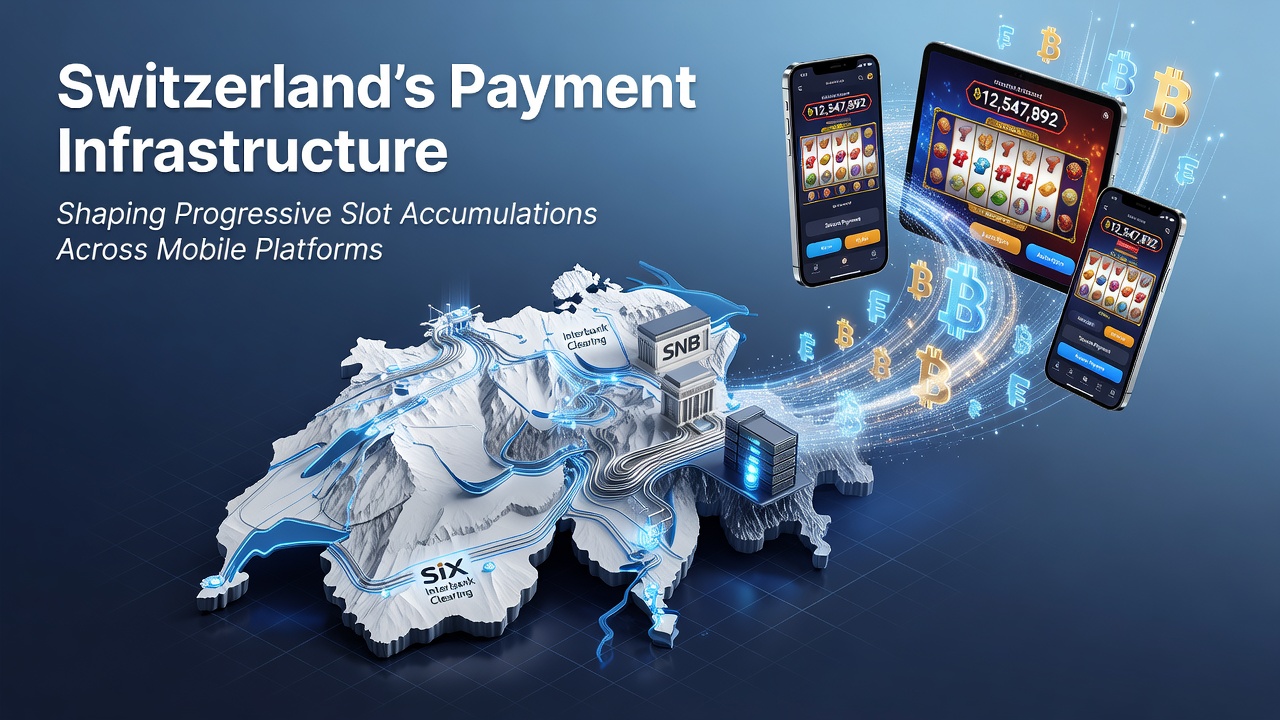
Switzerland maintains one of Europe's most advanced payment ecosystems, and this network plays a direct part in determining how progressive slot pools grow on mobile applications. Systems such as TWINT, instant bank transfers, and card-based solutions process transactions in seconds, which means contributions from players reach central jackpot servers without delay, and these rapid movements allow accumulations to increase across multiple cantons simultaneously.
Core Components of Swiss Payment Networks
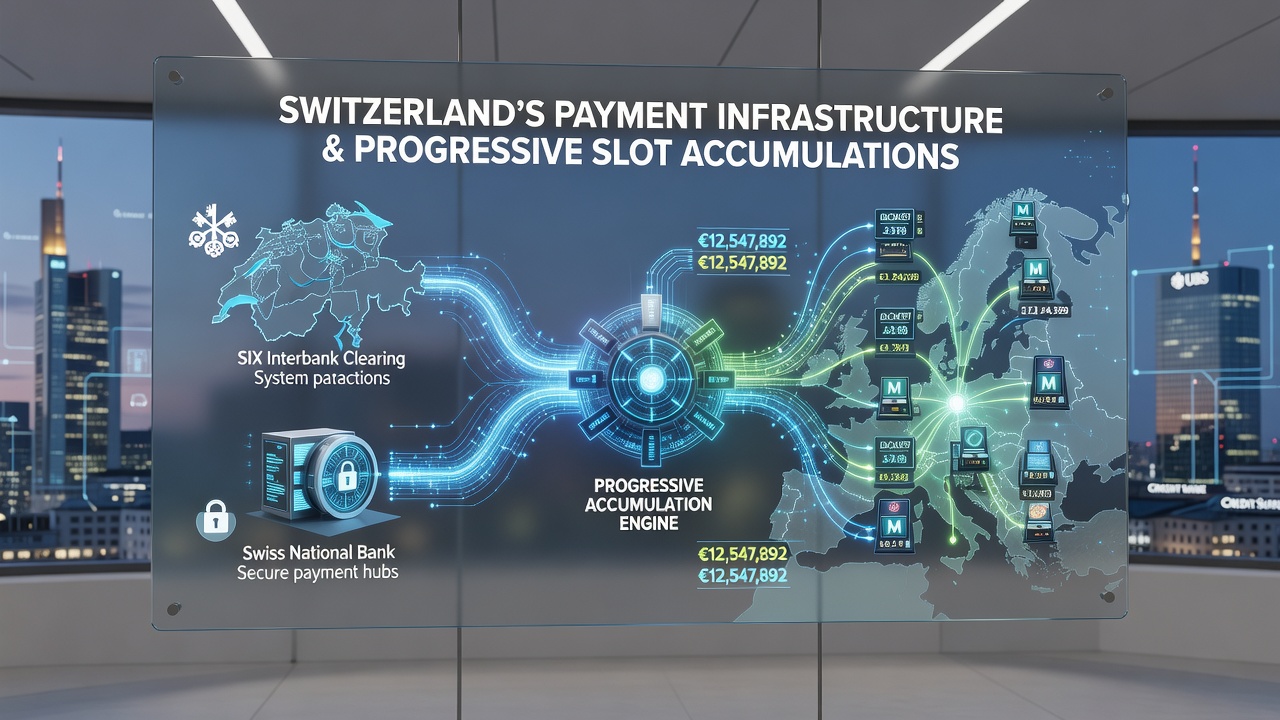
Financial institutions and fintech providers operate under uniform standards set by the Swiss National Bank, so every approved mobile casino application connects to the same settlement rails. Data from October 2026 shows transaction volumes through real-time channels rose by 18 percent compared with the previous year, and this growth correlates with higher average contributions per spin in cross-platform progressive games. Observers note that the combination of low fees and instant confirmation reduces friction, while the same infrastructure supports both domestic and cross-border player accounts without additional conversion steps.
Integration With Mobile Gaming Applications
Developers embed payment APIs directly into slot interfaces, and this design lets each wager trigger an immediate allocation to the progressive meter. When a player in Zurich places a bet on a shared mobile title, the amount travels through encrypted channels to a licensed operator's server, then splits into the local pool and any linked international accumulations. Researchers at institutions tracking digital finance have documented that jurisdictions with similar instant-payment capabilities record 12 to 15 percent faster jackpot growth rates than regions relying on batch processing.
Yet the same speed creates new compliance checkpoints. Operators must verify that each transaction complies with cantonal spending limits before the funds reach the prize pool, and automated checks run in the background without interrupting gameplay. This verification layer, built into the payment rails themselves, ensures that only eligible wagers add to the meter while still maintaining the continuous flow that players expect on mobile devices.
Regulatory Alignment and Pool Calculations
Cantonal authorities require that progressive contributions remain traceable from the moment a wager is placed until the funds settle in the prize account. Payment providers supply detailed ledgers that operators forward to oversight bodies, and these records help confirm that pool percentages stay within permitted ranges. In October 2026 several platforms updated their reporting dashboards to display real-time contribution splits, giving regulators and players simultaneous visibility into how each transaction feeds the growing jackpots.
According to figures released by the Bank for International Settlements, Switzerland processed more than 1.2 billion instant payments in 2025, and a notable share originated from entertainment applications. Bank for International Settlements payment statistics indicate that the average settlement time for gaming-related transfers stands at under four seconds. That velocity allows operators to recalculate progressive meters after every spin, which in turn supports the multi-level jackpot structures common on mobile platforms.
Cross-Platform Accumulation Mechanics
Because Swiss payment infrastructure supports standardized messaging formats, different mobile applications can link their progressive meters without custom middleware. A single spin on an Android device in Geneva can increment the same pool that receives contributions from an iOS user in Basel. Industry reports compiled by the European Payments Council show that countries adopting unified instant-payment schemes experience smoother interoperability between gaming operators, and Switzerland's model serves as a reference point for neighboring markets. European Central Bank digital payments overview highlights how such connectivity reduces reconciliation errors that previously delayed jackpot updates.
Security protocols embedded in the payment layer also protect the integrity of accumulation data. End-to-end encryption and multi-factor authentication prevent unauthorized alterations to meter values, and any discrepancy triggers an automatic audit trail visible to both the operator and the relevant cantonal authority. These safeguards have become standard practice as of late 2026, when several platforms expanded their progressive offerings to new mobile titles.
Conclusion
Switzerland's payment infrastructure continues to shape the pace and scale of progressive slot accumulations on mobile platforms through its emphasis on speed, transparency, and regulatory compliance. Real-time settlement rails, combined with standardized reporting, allow contributions to flow efficiently across applications and cantons while satisfying oversight requirements. As transaction volumes grow and new titles enter the market, the same foundational systems keep jackpot pools current and verifiable for all participants.