The Role of Payment Systems in Building Progressive Jackpot Pools Under Swiss Cantonal Rules
Logan Vogel · Oct 13, 2026
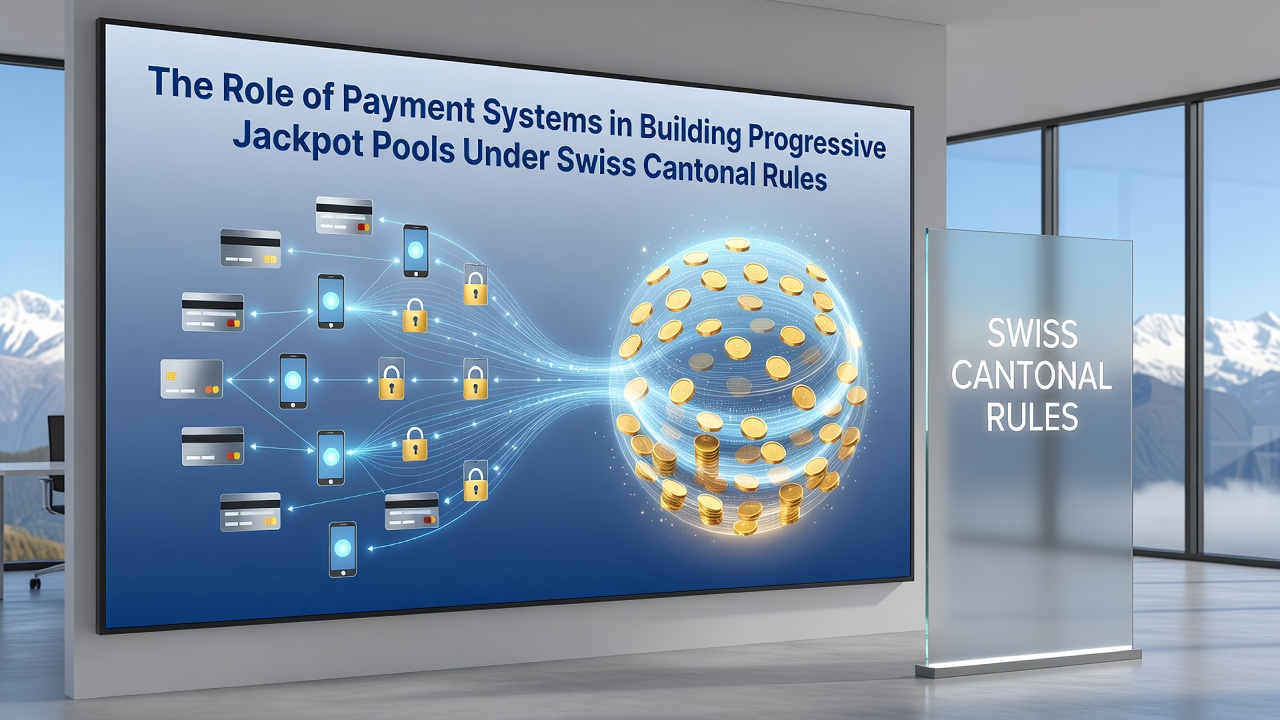
The Role of Payment Systems in Building Progressive Jackpot Pools Under Swiss Cantonal Rules
Payment systems form the backbone of progressive jackpot accumulation in Swiss gaming environments where cantonal authorities maintain oversight of casino operations and related online activities. These systems process player deposits and wagers while directing designated portions of each transaction into shared prize pools that grow across multiple venues or platforms licensed within individual cantons. Swiss rules require that every participating operator integrates approved financial channels capable of tracking contributions in real time so that the pool reflects only verified play from eligible participants.
How Transaction Flows Feed Progressive Pools
Each wager processed through licensed payment gateways allocates a fixed percentage to the jackpot mechanism before the remainder reaches the game server. This allocation occurs at the point of authorization when the payment processor confirms the transaction and tags the relevant amount for pool contribution. Cantonal licensing conditions specify that processors must operate under Swiss banking standards which include encrypted data transfers and immediate reconciliation reports sent to both the operator and the supervising cantonal body. Observers note that delays in settlement can interrupt pool growth because contributions only register once funds clear and verification completes.
Payment providers also handle currency conversion for cross-canton play when permitted under inter-cantonal agreements. The conversion step adds another layer of reporting that ensures the jackpot total remains accurate regardless of the original denomination used by the player. Data from transaction logs shows that systems using direct bank transfers rather than card networks tend to complete these steps faster in the Swiss market because they bypass certain international settlement networks.
Cantonal Variations in Payment Compliance
Rules differ across cantons regarding which payment institutions may participate in jackpot-linked gaming. Some cantons require that processors maintain physical servers within their territory while others accept any institution holding a Swiss financial license. This variation influences how quickly contributions reach the central pool and how operators structure their technical integrations. Researchers tracking compliance records have documented that cantons with stricter server-location rules experience fewer reconciliation discrepancies during monthly audits.
Operators must demonstrate that their chosen payment rails separate jackpot contributions from operational revenue at the moment of collection. This separation prevents commingling and supports the transparency demanded by cantonal regulators. In practice the process relies on automated tagging within the payment software that creates immutable records for each transaction segment.
Security Protocols and Pool Integrity

Security standards enforced by cantonal authorities require multi-factor authentication for every deposit that feeds a progressive pool. These measures reduce the risk of fraudulent transactions that could artificially inflate or distort pool totals. Payment systems incorporate real-time fraud detection algorithms that flag unusual patterns before the contribution is finalized and added to the growing prize. Figures released by Swiss oversight bodies indicate that such automated checks have lowered the incidence of disputed contributions since their wider adoption.
October 2026 marks the scheduled review of payment integration guidelines across several cantons that currently coordinate their online gaming frameworks. The review will examine whether updated encryption requirements and new reporting formats can further streamline pool management while preserving the separation between player funds and operator accounts. Preparatory documents circulated among regulators highlight the need for standardized APIs that allow different payment providers to communicate contribution data uniformly.
Integration with Player Verification Processes
Swiss cantonal rules tie payment authorization directly to player identity checks because only verified accounts may contribute to progressive jackpots. When a deposit arrives the payment system cross-references the account details against the cantonal player registry before releasing the funds for play. This linkage ensures that contributions originate solely from eligible Swiss residents or visitors who have completed the required age and residency verification. Any mismatch halts the transaction and prevents the associated portion from entering the pool.
One documented case involved a payment processor that adjusted its verification timing after a cantonal audit revealed minor delays in registry synchronization. The adjustment reduced average contribution lag from several minutes to under thirty seconds while maintaining full compliance with data-protection statutes. Such refinements demonstrate how operational tweaks in payment flows directly affect the rate at which progressive pools expand.
Conclusion
Payment systems therefore serve as both the conduit and the gatekeeper for progressive jackpot growth under Swiss cantonal oversight. Their technical specifications, security layers, and verification steps collectively determine how accurately and efficiently contributions accumulate across licensed platforms. As cantons prepare for the October 2026 guideline review operators continue to refine these systems to meet evolving reconciliation and reporting demands while preserving the integrity of the pools themselves.